A fuel station never really stops. Sales run all day, shifts change, deliveries arrive, and money comes in through several payment methods. When records are scattered across notebooks, receipts, and separate spreadsheets, the owner only sees the full picture days later. By the time a difference is found, its cause is hard to trace. So the key is not simply to record more, but to record in the same order every shift.
A good report rests on one simple formula. Opening stock plus fuel received, minus sales, should come close to closing stock. This applies to each fuel type and each tank. Opening stock comes from a tank measurement, deliveries from documents and measurements during unloading, sales from the nozzle meter readings, and closing stock from the next tank measurement. When these four numbers are recorded properly, the difference can be calculated daily instead of waiting for the end of the month.
Start with the shift change. At every handover, record the meter reading on each nozzle, the attendant on duty, and the time. Ideally the outgoing attendant records the numbers and the incoming attendant checks them, and both sign or confirm. A phone photo of the meter is a cheap extra piece of evidence. This habit prevents arguments about which shift is responsible when a number does not match.
The difference between opening and closing meter readings gives you the sales volume per nozzle. Multiply it by the current price, then compare the result with the money and transactions actually received. Separate receipts by payment method, such as cash, card, digital payment, and special sales billed later. This matters because each method has different proof and a different settlement time. Count cash together at handover, not after deposits have piled up.
Tank measurement must be done the same way every time. Set the time, the tool, and the person responsible. Record the result on the spot, not from memory. Small differences between book figures and measured figures can appear for many reasons, such as reading accuracy or temperature changes. What deserves attention is a difference that keeps moving in one direction, or suddenly grows compared with what is normal for your station. A pattern like that is worth a closer look.
Fuel delivery is another sensitive point. Measure the tank before and after unloading, match the volume with the delivery document, and note any difference. Stop or separately record sales from the tank during the process, following the procedure at your site, so the calculation stays clean. Keep purchase documents and payment proof under traceable numbers, because these figures will be used again during reconciliation.
Treat differences as something to investigate, not a reason to blame people. Use a fixed order of checks. First look for typing errors in the meter readings. Then check price changes that took effect during a shift, unrecorded transactions, and nozzle tests whose volume should have been returned to the tank. Review the delivery documents as well. If the numbers still do not match, inspect the equipment with an authorized technician. A fixed order makes the review fairer and faster.
Owners and managers really need only a few numbers each day: volume sold per fuel type, remaining stock and when to reorder, the daily stock difference, the cash difference per shift, and total deposits. One summary page in the same format every day is far more useful than a long report nobody reads. With a fixed format, anything unusual stands out immediately.
A spreadsheet can work at the start, as long as the formulas are locked and only certain people may change them. As the number of nozzles, shifts, and special sales grows, manual records become error prone and time consuming. At that point a dedicated application helps, because data is entered once and then used for stock, sales, and reports together.
EXE SPBU from EXE AJA is an application for managing fuel station operational transactions, fuel stock, purchasing, and fuel sales. If you want to tidy up the daily reports at your station, reach us through the product page or our contact page to discuss your needs.
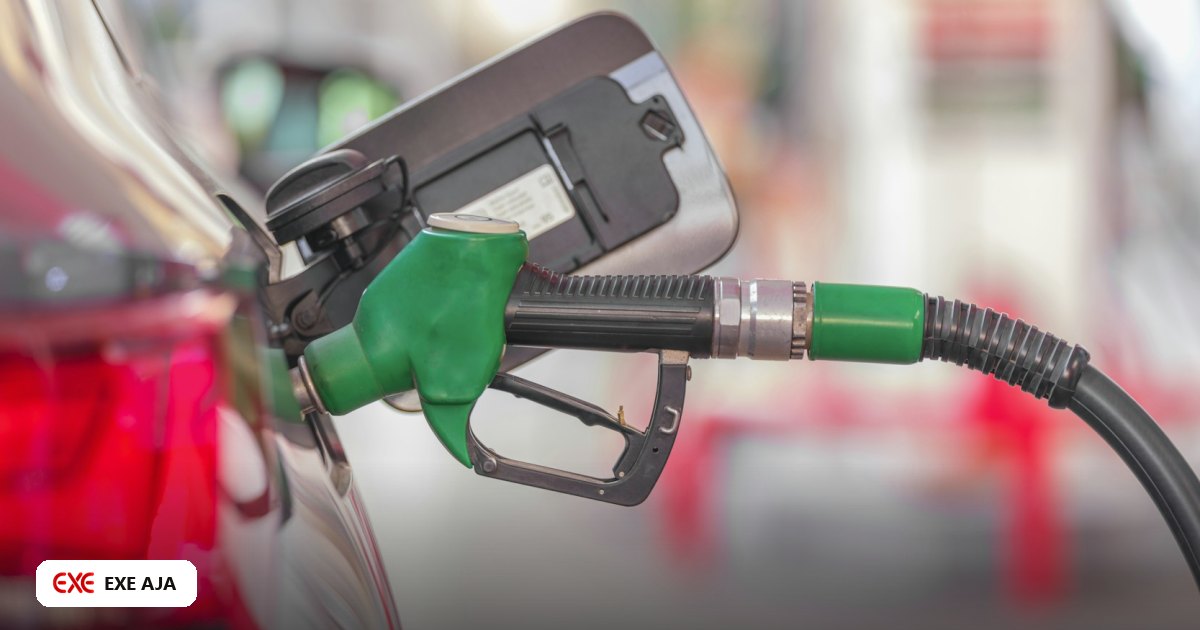
Illustrative photo: engin akyurt via Unsplash.